Responsible Disposal of Lava Lamp Fluid Compounds
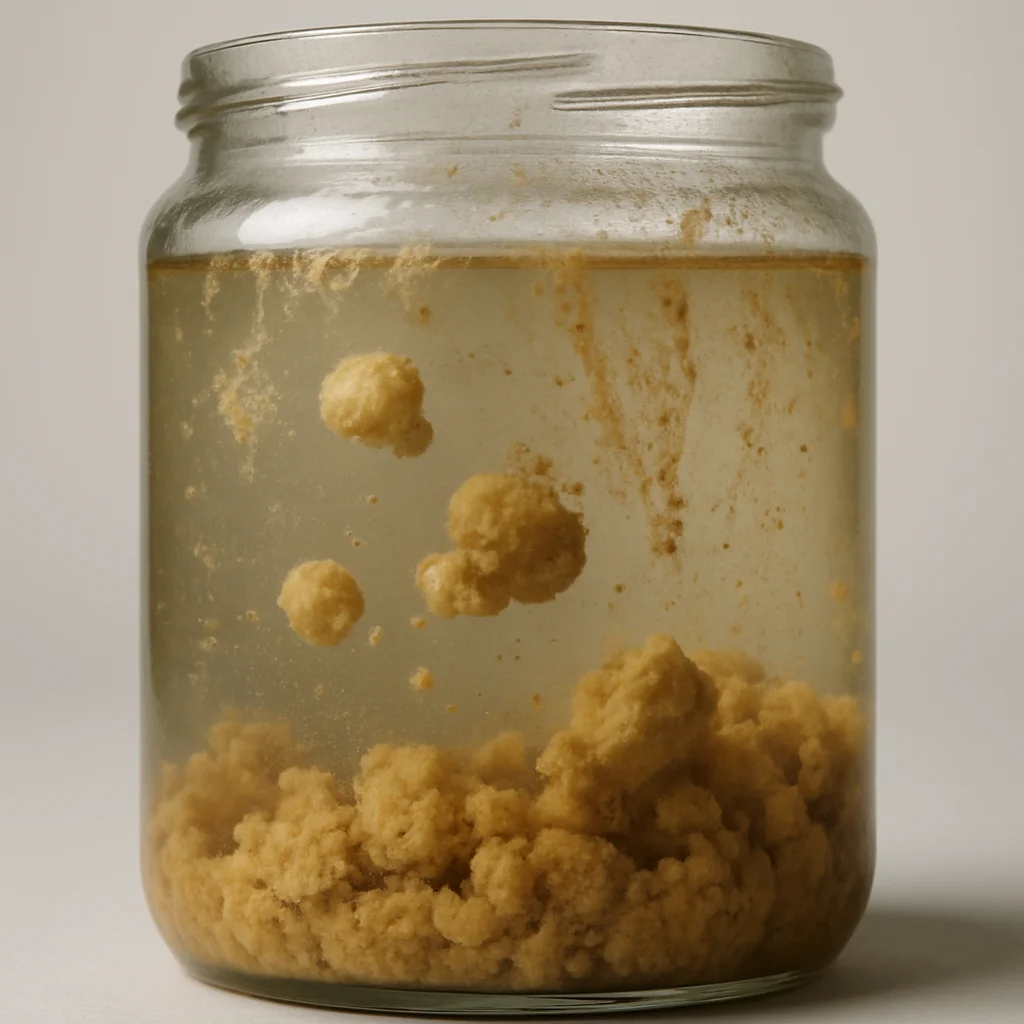
Sometimes a lamp fluid is simply beyond saving. The wax has broken down into a greasy, particulate mess, the carrier fluid has gone permanently cloudy despite every restoration attempt, or contamination has set in that no amount of careful treatment can reverse. It’s a frustrating conclusion to reach — but reaching it honestly is actually part of responsible restoration. The question then becomes: how do you get rid of this stuff without just pouring it down the sink?
The short answer is: carefully, and almost certainly not down the sink.
Why Lava Lamp Fluid Isn’t Ordinary Waste
The fluid inside a Mathmos lamp is typically a mixture of water, a small amount of surfactant (a soap-like chemical that controls surface tension), and various additives that affect density and clarity. The wax compound is usually a blend of paraffin wax and other hydrocarbons. Neither component is acutely toxic in the way that industrial solvents are, but that doesn’t make them safe to pour freely into drains or waterways.
Surfactants are particularly problematic in aquatic environments — even small concentrations can disrupt the surface tension that insects and small organisms depend on, and they persist in water longer than you might expect. Hydrocarbon-based waxes can coat surfaces in drainage systems and, in larger quantities, contribute to fatbergs in shared sewer infrastructure. The volumes from a single lamp are small, but the principle matters.
Separating the Components Before Disposal
Before you dispose of anything, it helps to separate the two phases as much as possible. Allow the lamp contents to settle fully at room temperature — this can take several hours. The wax will solidify at the bottom (or float, depending on its specific formulation and the ambient temperature), and the carrier fluid will sit above or below it.
Once separated:
- The solidified wax can generally be treated as solid household waste in most regions, since small amounts of paraffin wax are not classified as hazardous. Scoop it out, let it harden fully on a piece of old newspaper or foil, and dispose of it in your general waste bin.
- The carrier fluid is the part that needs more care. Do not pour it into a drain, garden, or natural waterway.
Disposing of the Carrier Fluid Responsibly
Most local authorities in the UK operate Household Waste Recycling Centres (HWRCs) — sometimes called tip sites or civic amenity sites — that accept small quantities of liquid chemical waste from domestic sources. This is the most reliably correct route for lava lamp carrier fluid. The fluid should be transported in a sealed, clearly labelled container (the lamp’s original bottle works well for this).
If you’re unsure whether your local HWRC accepts this kind of liquid, their website or phone line will confirm it. The key phrase to use when enquiring is “small quantity liquid chemical waste” or “domestic liquid waste” — staff will be familiar with the category even if lava lamp fluid specifically raises an eyebrow.
In many cases, very small quantities of the water-based carrier fluid — particularly if it contains no unusual additives beyond standard surfactants — may be acceptable to dispose of by diluting heavily with running water. However, this depends on local water authority guidance, and when in doubt, the HWRC route is always the safer choice.
A Note on Coloured Dyes
The dyes used in Mathmos fluid are generally water-soluble and present in very low concentrations, so they aren’t typically the primary concern during disposal. But they’re worth mentioning because the vivid colour of old fluid can make it seem more alarming than it is — and because some older lamps may contain dye formulations that aren’t well documented. If you’re uncertain about what’s in your lamp, err on the side of contained disposal rather than dilution.
Responsible disposal is the final act of good stewardship for a lamp that couldn’t be saved — and knowing when that point has been reached is half the battle. If you’re still not sure whether your fluid is truly beyond recovery, the fluid restoration guide covers the most common salvageable states in detail, and the failure mode guide can help you make that call with confidence.