How to Diagnose a Non-Working Mathmos Lava Lamp
Start Here: The Lamp, the Bulb, and the Basics
Before diving into fluid chemistry or obscure mechanical faults, it’s worth remembering that most non-working Mathmos lamps fail for entirely ordinary reasons. A dead bulb. A dodgy connection. A switch that’s given up quietly after years of use. Running through the basics first isn’t just sensible — it saves a lot of unnecessary dismantling.
Plug the lamp in and check whether it produces any light at all. If it doesn’t illuminate, test the bulb in a known-working fitting and inspect the lamp’s fuse if it has one. Mathmos lamps use a range of bulb types depending on the model — the Mathmos Models Reference page covers these — so make sure any replacement is the correct wattage. Running too low a wattage is one of the most common reasons lava simply won’t rise: the fluid never gets warm enough to do its job.
If the lamp lights but the lava doesn’t move after 2–3 hours of running, you’re dealing with something more interesting.
Reading What the Lava Tells You
The behaviour of the wax — or its complete refusal to behave — is the most informative diagnostic tool you have. Each failure pattern points somewhere specific.
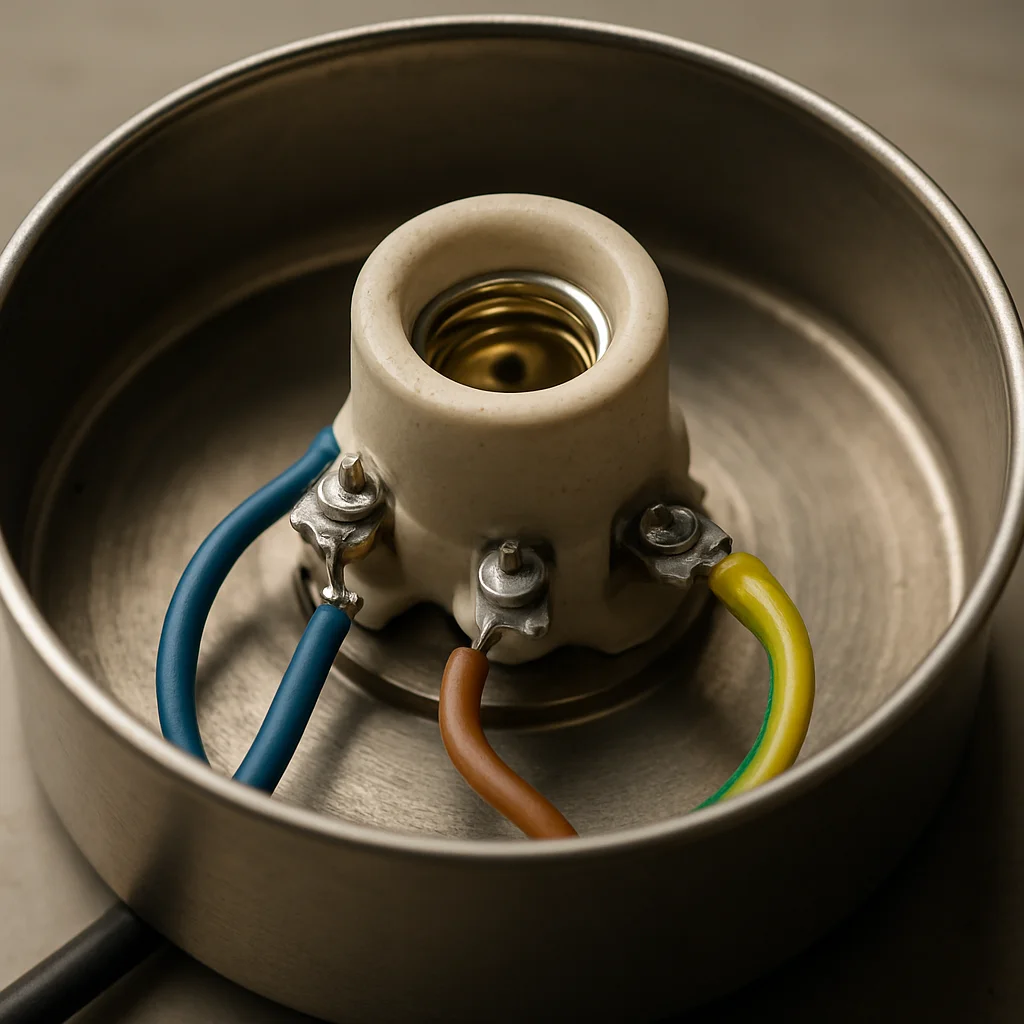
Wax sitting in a flat disc at the bottom and never rising usually means insufficient heat. Confirm the bulb wattage first. If that’s correct, check whether the base feels genuinely warm after an hour — if it’s cool to the touch, the issue may be electrical rather than thermal.
Wax rising but forming one large, unbroken blob that never separates often suggests the density balance between the wax and fluid has shifted. This is a common degradation symptom in older lamps and is addressed in detail in the Restoring Cloudy Lava Lamp Fluid guide.
Wax stuck to the bottom even when the lamp is very hot can indicate the wax has hardened or separated in a way that simple heat won’t fix. If the wax looks granular, chalky, or has visibly split into separate components, that’s a more serious failure mode.
Fluid that appears cloudy, milky, or discoloured is almost always a sign of emulsification — water or other contamination has mixed with the fluid. Cloudy fluid by itself doesn’t mean the lamp is beyond saving, but it does need attention before anything else will work properly.
A gritty or layered appearance at the bottom of the globe suggests particulate contamination or wax breakdown. This is one of the harder problems to resolve without intervention.
Checking the Globe and Seal
With the lamp cool and unplugged, examine the globe carefully. Hold it up to a light source and look for hairline cracks, which can allow evaporation or contamination over time. Check the seal at the base of the globe — on many Mathmos models this is a rubber stopper or a crimped metal cap. A weeping seal often leaves a faint residue ring around the bottom of the globe.
A cracked globe or failed seal doesn’t automatically mean disposal. The Failure Mode Guide walks through which physical damage is realistically recoverable and which isn’t, and it’s worth consulting before drawing any conclusions.
Pulling It All Together
By this point you should have a reasonable picture: is the problem electrical, thermal, fluid-related, or physical? Most faults fall into one of these four categories, and knowing which one you’re dealing with determines everything that comes next. If the fluid looks compromised, head to the fluid restoration guide. If something in the physical lamp seems wrong, the component substitution guide covers modern material alternatives. And if you’re genuinely unsure whether the lamp is worth pursuing further, the Failure Mode Guide is the honest next stop.